Choosing Battery Cable Ends: A Step-by-Step Guide

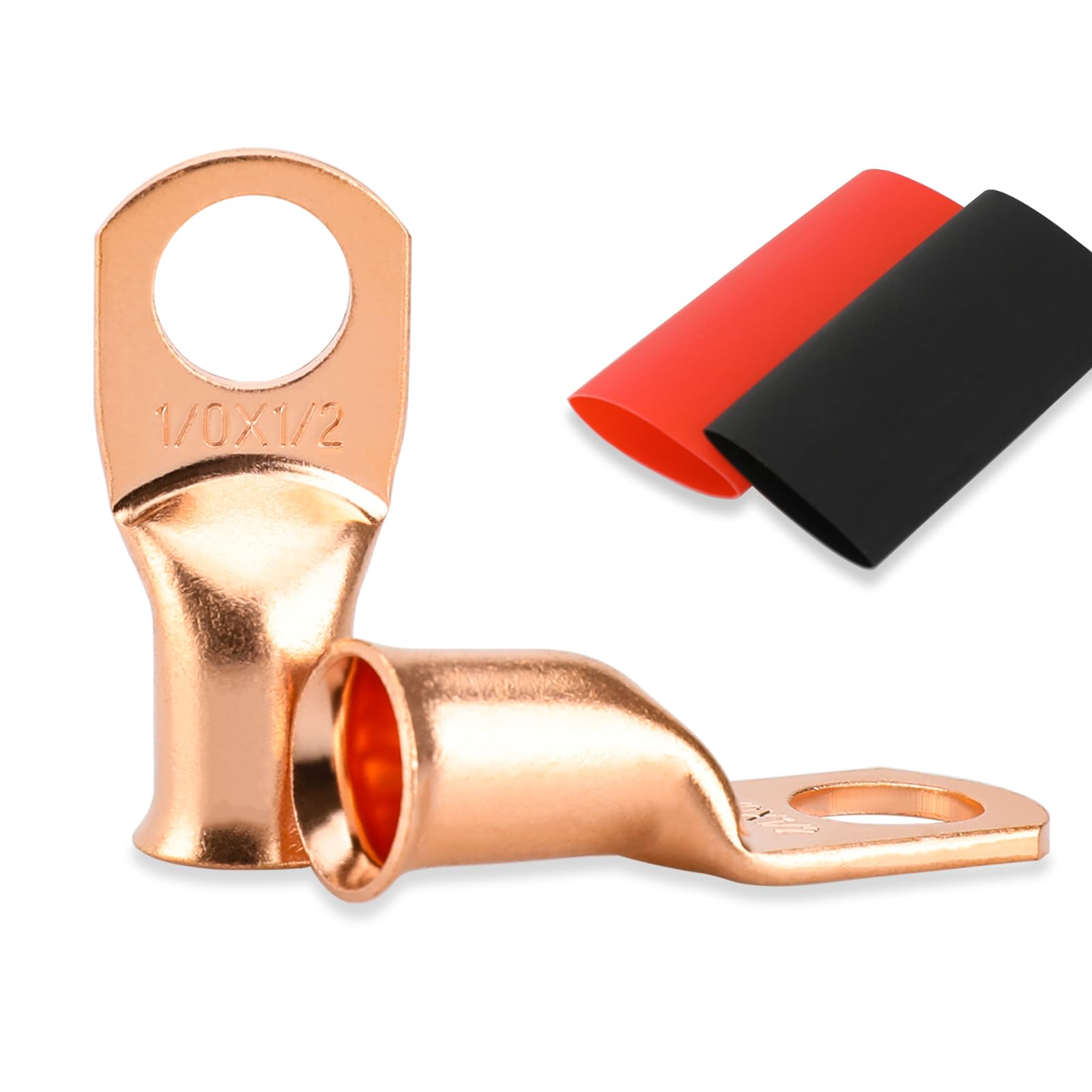
Choosing the right battery cable ends is crucial for ensuring safety and performance in your electrical systems. When you select the wrong battery cable ends, lugs, or ring terminals, you risk compromising the reliability of your setup. Imagine the potential hazards, like arcing or even fires, that could arise from improper connections. By understanding the importance of these small yet vital parts, you can prevent accidents and maintain the efficiency of your system. Whether you're dealing with battery cable ends, lugs, ring terminals, or other types, making informed choices can save you from costly repairs and downtime.
Understanding Application Requirements
When you're choosing battery cable ends, understanding your specific application requirements is crucial. This ensures that your electrical system operates safely and efficiently. Let's dive into the key factors you need to consider.
Assessing Voltage and Current Capacity
First, you need to assess the voltage and current capacity of your system. Every electrical setup has unique demands. You must ensure that the battery cable ends can handle the required load. If the connectors are not rated for the necessary current, they might overheat or fail. This could lead to serious safety hazards. Always check the specifications of your battery cable ends to match them with your system's needs.
Evaluating Environmental Conditions
Environmental conditions play a significant role in the performance and longevity of battery cable ends. You should evaluate these factors carefully.
Temperature Considerations
Temperature can greatly affect the performance of your battery cable ends. High temperatures can cause the materials to degrade faster, while extremely low temperatures might make them brittle. You should choose cable ends that can withstand the temperature range of your environment. This ensures that they remain reliable and safe under all conditions.
Exposure to Moisture and Corrosion
Moisture and corrosion are common enemies of electrical connections. If your battery cable ends are exposed to moisture, they might corrode over time. This can lead to poor conductivity and potential failures. You should look for connectors made from materials like copper or brass, which offer excellent corrosion resistance. Additionally, consider using protective coatings or seals to further guard against moisture.
By thoroughly understanding these application requirements, you can select the right battery cable ends that will serve you well in any situation. This proactive approach helps prevent issues and ensures the longevity of your electrical systems.
Selecting the Appropriate Material
When it comes to choosing battery cable ends, the material you select plays a crucial role in the performance and longevity of your electrical connections. Let's explore the options available and what makes each one unique.
Copper vs. Aluminum
Copper and aluminum are the two most common materials used for battery cable ends. Each has its own set of advantages and disadvantages.
Conductivity and Durability
Copper stands out for its excellent conductivity. It can handle more current compared to aluminum, thanks to its lower electrical resistivity. This means copper battery cable ends are more efficient at transmitting electricity, which is why they're often preferred for high-performance applications. Copper also offers superior durability and corrosion resistance, making it a reliable choice for long-term use.
On the other hand, aluminum is lighter and less expensive. However, it has lower electrical conductivity and higher electrical loss. This means aluminum might not be the best choice if you need maximum efficiency and reliability. Its lower tensile strength and corrosion resistance also mean it may not last as long as copper in harsh environments.
Cost and Availability
Cost is another factor to consider. Copper tends to be more expensive than aluminum, which can be a deciding factor if you're on a budget. However, the higher initial cost of copper can be offset by its longer lifespan and better performance. Aluminum, being cheaper, might be more readily available, but you should weigh this against its lower performance characteristics.
Other Material Options
While copper and aluminum are the most common choices, other materials like brass or nickel-plated options are also available. These materials can offer specific benefits, such as enhanced corrosion resistance or improved mechanical strength. However, they might come at a higher cost or with other trade-offs in terms of conductivity.
Choosing the Correct Size and Type
Selecting the right size and type of battery cable ends is essential for a secure and efficient electrical connection. Let's break down how you can determine the correct cable size and explore the different types of connectors available.
Determining the Right Cable Size
To ensure a reliable connection, you need to match the cable size with the appropriate lug size. Start by measuring the diameter and conductor size of your cables. This measurement will guide you in selecting the correct lug size. A mismatch here can lead to loose connections, which might cause overheating or even failure.
Consider the type of lug that suits your application. You have options like crimp lugs, solder lugs, and compression lugs. Each type has its own installation method and application suitability. For instance, crimp lugs are popular for their ease of use and strong connections, while solder lugs might be preferred for more permanent installations. Compression lugs offer a balance between the two, providing a secure fit with minimal tools.
Types of Connectors
Once you've determined the right cable size, it's time to choose the type of connector that best fits your needs. Here's a look at some common options:
Ring Terminals
Ring terminals are a popular choice for their secure fit. They feature a ring-shaped end that fits over a stud or bolt, providing a solid connection. You simply slide the ring over the bolt and tighten it down. This type of connector is ideal for applications where a strong, vibration-resistant connection is necessary.
Spade Terminals
Spade terminals, also known as fork terminals, offer a convenient option for quick connections. Their fork-like shape allows you to easily slide them under a screw or bolt without completely removing the fastener. This makes them a great choice for situations where you might need to disconnect and reconnect frequently.
Quick Disconnects
Quick disconnects, as the name suggests, allow for fast and easy disconnection. These connectors are perfect for applications where you need to frequently connect and disconnect components. They come in male and female pairs that snap together securely. Quick disconnects are often used in automotive and marine applications due to their convenience and reliability.
By carefully selecting the correct size and type of battery cable ends, you ensure a safe and efficient electrical system. This attention to detail helps prevent potential issues and extends the lifespan of your connections.
Ensuring Compliance and Certification
When you're selecting battery cable ends, ensuring compliance with industry standards and certifications is crucial. This step not only guarantees safety but also boosts your confidence in the performance of your electrical connections. Let's explore how you can navigate this important aspect.
Understanding Industry Standards
Industry standards serve as a benchmark for quality and safety. They ensure that the products you use meet specific criteria for performance and reliability. When choosing battery cable ends, you should familiarize yourself with these standards. Organizations like UL (Underwriters Laboratories) and CSA (Canadian Standards Association) set these benchmarks. Their guidelines help ensure that the cable ends can withstand the demands of your application.
By adhering to these standards, you minimize the risk of electrical failures and hazards. You also ensure that your setup complies with any legal or regulatory requirements. This is especially important in industries where safety is paramount, such as automotive or marine applications. So, take the time to understand the relevant standards for your specific needs.
Checking for Certification Marks
Certification marks act as a seal of approval. They indicate that a product has been tested and meets the necessary safety and performance standards. When you're selecting battery cable ends, look for marks like UL or CSA. These certifications provide assurance that the product has undergone rigorous testing.
"Certification is not required by law but is essential for safety and confidence in the cable's performance."
This quote highlights the importance of certification in ensuring the reliability of your electrical connections. Even though it's not legally mandated, having certified components can give you peace of mind. It shows that the manufacturer has taken the necessary steps to ensure quality and safety.
Installation and Maintenance Tips
Proper Installation Techniques
Getting the installation right is key to ensuring your battery cable ends perform optimally. Start by gathering all necessary tools and materials. You'll need a wire stripper, crimping tool, and the appropriate connectors. Make sure you have the correct size and type of cable ends for your application.
Strip the Cable: Use a wire stripper to remove about half an inch of insulation from the end of the cable. Be careful not to nick the wire strands, as this can weaken the connection.
Select the Right Connector: Choose a connector that matches the cable size. Slide the connector onto the stripped end of the cable.
Crimp Securely: Use a crimping tool to compress the connector onto the cable. Ensure a tight fit to prevent any movement. A loose connection can lead to arcing, which poses a safety risk.
Inspect the Connection: After crimping, give the connection a gentle tug to ensure it's secure. If it feels loose, re-crimp it.
Seal the Connection: Apply heat shrink tubing or electrical tape over the connection to protect it from moisture and corrosion.
By following these steps, you ensure a solid and reliable connection that minimizes the risk of electrical failures.
Routine Maintenance Practices
Regular maintenance keeps your battery cable ends in top condition. It helps prevent issues like corrosion and wear, which can compromise performance.
Inspecting for Wear and Tear
Check your battery cable ends regularly for signs of wear and tear. Look for frayed wires, loose connections, or corrosion. These issues can lead to poor conductivity and potential failures. If you notice any damage, replace the affected parts immediately.
Cleaning and Tightening Connections
Keeping your connections clean is crucial for maintaining good conductivity. Use a wire brush or sandpaper to remove any corrosion or dirt from the connectors. After cleaning, tighten all connections to ensure they remain secure. Loose connections can cause arcing, which is a common issue with dated two-pole connectors, as highlighted by experts in the battery industry.
Routine maintenance not only extends the lifespan of your battery cable ends but also enhances the safety and efficiency of your electrical system. By staying proactive, you can avoid costly repairs and ensure your setup runs smoothly.
Choosing the right battery cable ends is essential for the safety and efficiency of your electrical systems. Remember to evaluate the material, size, and type of connectors to ensure a reliable connection. If you're unsure about your specific needs, don't hesitate to consult with experts. They can provide valuable insights tailored to your situation. Regular maintenance is also key. By inspecting and cleaning your connections, you extend their lifespan and enhance safety. As one expert noted, "Your cables play a vital role in performance and safety." Keep this in mind as you make your selections.
See Also
Choosing The Right Battery Terminal Connector For You
Comprehensive Guide To Using Butt Splice Wire Connectors
Essential Guide To Selecting Crimper Accessories For Users
Important High Voltage Connector Types For Electric Vehicles