Practical Advice for Picking Binding Posts for Projects

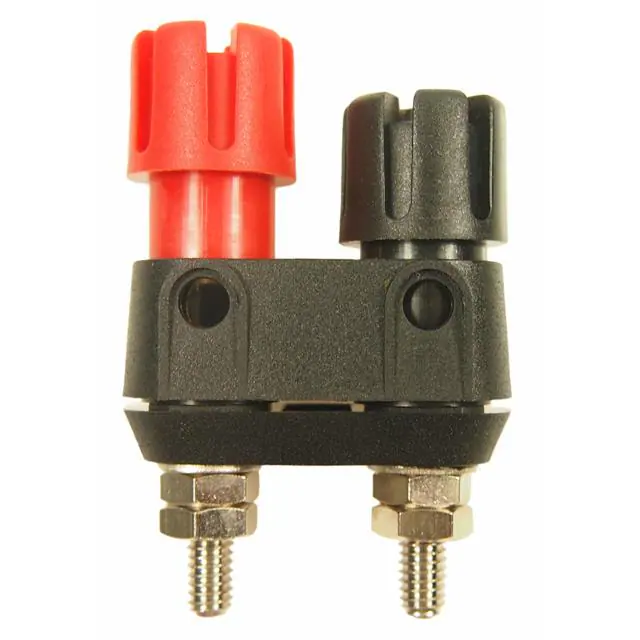
Choosing the right Binding Posts is crucial for any electronics project. These small yet significant components ensure secure and efficient connections, which directly influence the performance and reliability of your setup. High-quality Binding Posts, crafted from materials like brass or copper, provide excellent conductivity and durability. With numerous options available, selecting the ideal ones can be challenging. It’s important to evaluate factors such as compatibility with Banana and Tip Connectors, as well as the unique requirements of your project, to make a well-informed choice.
Key Takeaways
Choose high-quality materials like gold-plated brass or copper for binding posts to ensure excellent conductivity and durability.
Consider the size and compatibility of binding posts with your connectors to avoid integration issues in your project.
Evaluate the electrical specifications, including current load capacity, to prevent overheating and ensure optimal performance.
Balance quality and cost by investing in durable binding posts that can save you money on replacements in the long run.
Test binding posts for durability and electrical conductivity before installation to avoid performance issues later.
Avoid common mistakes such as overlooking project requirements and opting for low-quality materials to enhance reliability and longevity.
Key Factors to Consider When Choosing Binding Posts
Material and Build Quality
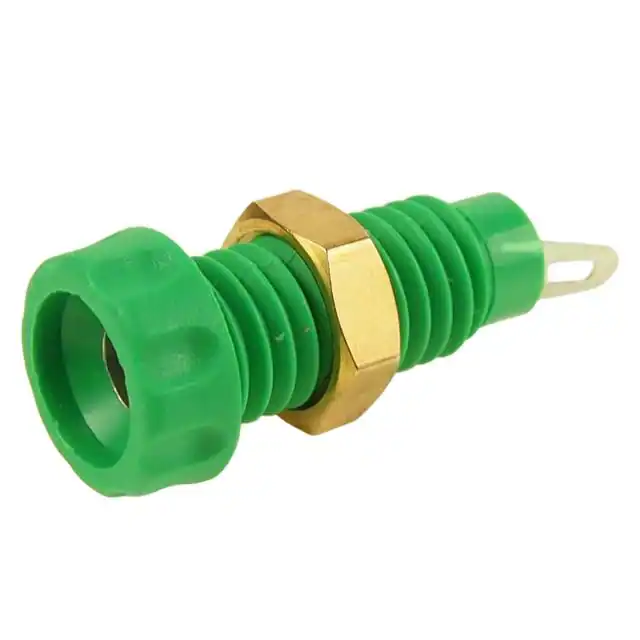
The material of the binding posts plays a critical role in their performance. High-quality materials like gold-plated brass or copper ensure excellent electrical conductivity and durability. Gold plating, for instance, resists corrosion, making it ideal for high-performance applications or environments with high humidity. For projects requiring high voltage or extreme conditions, insulated stainless steel binding posts offer reliable performance and safety.
Build quality is equally important. Binding posts with robust construction, such as those made from high-temperature-resistant brass, minimize wear and tear over time. This durability ensures that your connections remain secure, even under heavy use. Always inspect the finish and threading of the posts to confirm they meet your project’s requirements.
Size and Compatibility
Size and compatibility determine how well the binding posts integrate into your project. You need to ensure that the posts fit the connectors you plan to use, such as banana plugs, spade connectors, or bare wires. For example, 5-way binding posts are versatile and support multiple connection types, including dual banana plugs and pin connectors. This flexibility makes them a popular choice for high-current applications.
Additionally, consider the mounting options. Posts with an M8 mounting thread, for instance, provide stable installation and are suitable for heavy-duty setups. Always measure the available space in your project to avoid size mismatches. A proper fit ensures seamless integration and prevents unnecessary modifications.
Electrical Specifications
Electrical specifications directly impact the performance of your binding posts. Evaluate the current load capacity to ensure the posts can handle your project’s demands. For instance, speaker binding posts can manage up to 200A, making them suitable for high-power applications. Using posts with insufficient capacity can lead to overheating or signal loss.
Also, prioritize posts with minimal signal degradation. Products like WBT binding posts, known for their superior conductivity, maintain optimal sound quality and reduce interference. Testing the posts for electrical conductivity before installation can help you verify their efficiency and reliability.
Cost and Budget
Cost plays a significant role when selecting binding posts for your project. You need to balance quality and affordability to ensure you get the best value for your investment. High-quality binding posts, such as gold-plated brass options, often come at a higher price. These posts provide excellent conductivity and resist corrosion, making them ideal for long-term use in high-performance applications. While they may seem expensive initially, their durability and reliability can save you money over time by reducing the need for replacements.
For budget-conscious projects, consider alternatives like insulated stainless steel binding posts. These posts offer reliable performance in high-voltage or extreme conditions without breaking the bank. They are a practical choice for projects where cost efficiency is a priority.
When evaluating costs, think about the specific requirements of your project. For instance, if you need versatile connectors, 5-way binding posts might be worth the investment. These posts support multiple connection types, including banana plugs and bare wires, making them suitable for various applications. Their flexibility can justify the slightly higher price tag.
To make an informed decision, compare prices across different brands and suppliers. Look for discounts or bulk purchase options if your project requires multiple binding posts. However, avoid compromising on quality for the sake of saving a few dollars. Low-cost, poorly made binding posts can lead to performance issues, which may result in additional expenses down the line.
"Investing in quality components upfront can prevent costly repairs and replacements later," as many experts in electronics emphasize. Always prioritize products that meet your project's technical and durability needs within your budget.
Practical Tips for Evaluating Binding Posts
Testing Durability and Build
Durability ensures that your binding posts can withstand long-term use without compromising performance. Start by examining the material. High-quality options like gold-plated brass or copper resist corrosion and maintain structural integrity over time. These materials also handle wear and tear better than cheaper alternatives. Check for a solid construction. Binding posts with sturdy threading and a smooth finish often indicate superior craftsmanship.
You can test durability by applying moderate force to the posts. Well-built binding posts should not bend or deform under pressure. If possible, compare products from different manufacturers. Some brands prioritize build quality, offering posts that last longer even in demanding environments. Always choose binding posts designed to endure the specific conditions of your project, such as high temperatures or heavy usage.
Ensuring Ease of Installation
Ease of installation saves you time and reduces frustration during your project. Look for binding posts with clear markings for polarity. This feature helps you avoid wiring errors, especially in complex setups. Posts with knurled knobs or ergonomic designs allow for a secure grip, making manual tightening easier.
Consider the mounting options. Binding posts with standard thread sizes, like M8, fit most applications and simplify the installation process. Ensure that the posts come with all necessary hardware, such as washers and nuts. Missing components can delay your project and add unnecessary costs. Before purchasing, review the product specifications to confirm compatibility with your tools and connectors.
Verifying Electrical Conductivity
Electrical conductivity directly affects the performance of your binding posts. High-conductivity materials, such as gold-plated brass, minimize signal loss and ensure efficient energy transfer. To verify conductivity, use a multimeter to measure resistance. Lower resistance values indicate better conductivity.
Inspect the contact points. Binding posts with smooth, well-finished surfaces provide better connections and reduce the risk of signal interference. Avoid posts with visible defects, such as scratches or uneven plating. These flaws can compromise electrical performance. For high-power applications, choose binding posts rated for the appropriate current load to prevent overheating or voltage drops.
"Reliable conductivity is the backbone of any successful electronics project," as experts often emphasize. Testing your binding posts before installation ensures optimal performance and prevents costly issues later.
Common Mistakes to Avoid When Selecting Binding Posts
Overlooking Project Requirements
Failing to consider your project’s specific needs can lead to poor performance or even failure. Each project has unique requirements, such as current load, environmental conditions, and connector types. For instance, if you are working on a high-power audio system, you need binding posts that can handle high current without overheating. Using standard posts in such cases may result in signal loss or damage to your equipment.
You should also think about the type of connectors you plan to use. Some binding posts, like 5-way posts, offer versatility by supporting banana plugs, spade connectors, and bare wires. This flexibility makes them ideal for projects requiring multiple connection options. Ignoring these details can create compatibility issues, forcing you to make costly adjustments later.
"Understanding your project’s technical demands is the first step toward selecting the right components," as experts from Audio Science Review Forum emphasize. Always match the binding posts to your project’s specifications for optimal results.
Opting for Low-Quality Materials
Choosing binding posts made from inferior materials can compromise your project’s performance and longevity. Low-quality materials, such as cheap alloys, often lack the conductivity and durability needed for reliable connections. These posts may corrode over time, leading to signal degradation and frequent replacements.
High-quality materials like gold-plated brass or copper provide excellent conductivity and resist corrosion. For example, WBT binding posts, known for their gold plating and high-temperature-resistant brass, ensure superior electrical performance. While these options may cost more upfront, they save you money in the long run by reducing maintenance and replacement costs.
Avoid the temptation to cut corners on material quality. Instead, invest in binding posts that meet your project’s demands. This approach ensures consistent performance and minimizes the risk of failure.
Ignoring Long-Term Durability
Neglecting durability can result in frequent repairs and replacements, increasing your project’s overall cost. Binding posts endure constant use, so they must withstand wear and tear. Poorly constructed posts may loosen over time, causing unreliable connections and potential safety hazards.
Durable binding posts, such as those made from insulated stainless steel or high-temperature-resistant brass, offer long-lasting performance. These materials maintain their structural integrity even under heavy use or extreme conditions. Experts from Test Leads World recommend inspecting the threading and finish of the posts to ensure they meet durability standards.
"Durability is not just a feature; it’s a necessity for long-term reliability," as highlighted by professionals in the field. Always prioritize binding posts designed to handle the demands of your specific application.
By avoiding these common mistakes, you can select binding posts that enhance your project’s performance, reliability, and longevity. Careful consideration of your project’s requirements, material quality, and durability will help you make informed decisions and achieve better results.
Selecting the right Binding Posts is essential for ensuring the success of your electronics projects. You should carefully evaluate factors like material, size, compatibility, and cost to make informed choices. Testing for durability, ease of installation, and conductivity helps you avoid performance issues. By steering clear of common mistakes, such as ignoring project requirements or choosing low-quality materials, you can enhance reliability and longevity.
"Weak plastic mounts, like those seen in Yamaha M80/M85 binding posts, often fail during shipping," highlighting the importance of prioritizing durable construction.
Share your experiences or ask questions about Binding Posts in the comments below. Your insights could help others make better decisions.
See Also
A Comprehensive Guide to Selecting Battery Cable Ends
Detailed Instructions for Using Butt Splice Connectors
Top Recommendations for Crimping Tools by Experts