Rectangular Connectors for Everyday Industrial Needs

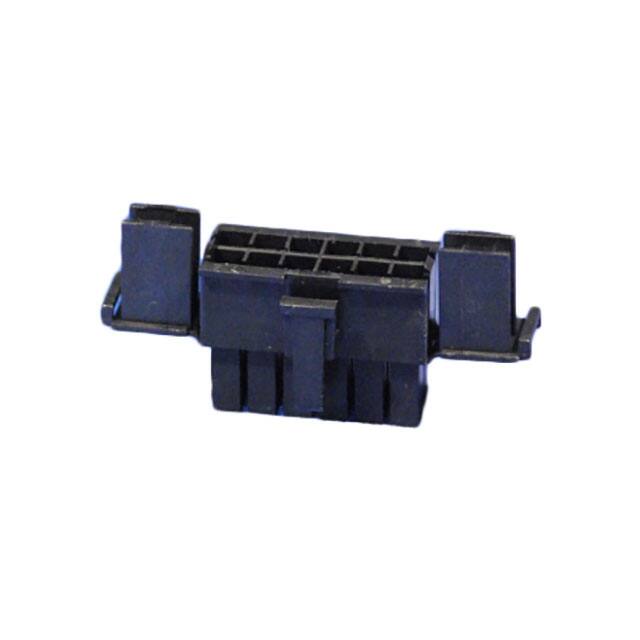
Rectangular Connectors play a vital role in industrial applications by ensuring secure and efficient electrical connections. You rely on these connectors for their ability to withstand harsh environments while maintaining consistent performance. Their robust design, crafted from materials like molded plastic or die-cast metal, ensures durability and resistance to corrosion. These connectors also simplify installation and offer flexibility, making them indispensable in industries requiring high-density connections or multifunctional solutions. With their proven reliability, they support demanding tasks, from data transfer to power distribution, across various sectors.
Key Takeaways
Rectangular connectors are crucial for secure and efficient electrical connections in various industrial applications, ensuring reliability even in harsh environments.
Their robust design, made from materials like molded plastic or die-cast metal, provides durability and resistance to corrosion, making them ideal for demanding tasks.
These connectors offer versatility, allowing for high-density connections and customization to meet specific application needs, enhancing overall efficiency.
Ease of installation and maintenance is a significant advantage, as these connectors can be quickly connected or disconnected without specialized tools, reducing downtime.
When selecting a rectangular connector, consider application requirements, environmental conditions, and connection density to ensure optimal performance.
Consulting industry experts can help you choose the right connector, ensuring compatibility and adherence to relevant standards for safety and reliability.
Prioritizing durability, versatility, and ease of use in your connector choices can significantly enhance productivity and ensure long-term operational success.
What Are Rectangular Connectors?
Definition and Purpose
Rectangular connectors serve as essential components in electrical systems, enabling secure and efficient connections between circuits. You will often encounter these connectors in applications requiring high reliability, such as industrial automation, aerospace, and medical equipment. Their rectangular shape, characterized by right-angled edges, ensures a compact and organized design. This design supports high-density connections, making them ideal for transmitting power, signals, and data across various devices or systems.
These connectors are designed to meet the demands of modern industries. They provide a dependable solution for connecting multiple circuits while maintaining ease of use. You can rely on their robust construction to withstand challenging environments, ensuring consistent performance even under extreme conditions. Whether you need to connect cables, devices, or systems, rectangular connectors offer a versatile and reliable option.
Basic Structure and Components
The structure of rectangular connectors reflects their functionality and durability. Each connector typically consists of the following key components:
Housing: The outer shell, made from plastic or metal, protects the internal components. Metal housings offer enhanced durability and resistance to environmental factors, while plastic housings provide lightweight and cost-effective options.
Contacts: These are the conductive elements that establish the electrical connection. You will find male and female contacts, designed to fit together securely. The contacts are often plated with materials like gold or tin to ensure optimal conductivity and prevent corrosion.
Inserts: Inserts hold the contacts in place within the housing. They are usually made from insulating materials to prevent electrical interference and ensure proper alignment.
Locking Mechanism: Many rectangular connectors include a locking system, such as latches or screws, to secure the connection. This feature prevents accidental disconnection and enhances reliability.
Sealing Elements: In some cases, connectors include seals to protect against dust, moisture, or other contaminants. These features make them suitable for harsh environments.
By combining these components, rectangular connectors deliver a balance of functionality, durability, and ease of use. Their modular design allows you to customize configurations based on specific application requirements, ensuring compatibility and performance.
Key Benefits of Rectangular Connectors
Durability and Reliability
Rectangular connectors excel in durability and reliability, making them a trusted choice for industrial applications. Their robust construction, often crafted from materials like molded plastic or die-cast metal, ensures they can withstand harsh conditions. You can rely on these connectors to resist extreme temperatures, vibrations, and shocks, which are common in demanding environments. The use of corrosion-resistant materials further enhances their longevity, ensuring consistent performance over time.
These connectors also maintain secure connections under challenging circumstances. Features like locking mechanisms prevent accidental disconnections, providing you with peace of mind during critical operations. Whether you are working in manufacturing, transportation, or aerospace, rectangular connectors deliver dependable performance that supports your operational needs.
Versatility in Industrial Environments
Rectangular connectors offer unmatched versatility, making them suitable for a wide range of industrial applications. Their modular design allows you to configure them to meet specific requirements, whether you need to transmit power, signals, or data. This flexibility makes them ideal for complex electronic assemblies where multiple connections are necessary.
You will find these connectors in industries such as robotics, automation, and power generation. Their ability to accommodate high connection density within a compact space ensures efficient use of available room. Unlike circular connectors, which are often limited in wiring configurations, rectangular connectors provide greater adaptability. This versatility enables you to integrate them seamlessly into various systems, enhancing overall efficiency.
Ease of Installation and Maintenance
Rectangular connectors simplify installation and maintenance, saving you time and effort. Their user-friendly design ensures easy plugging and unplugging, even in tight spaces. You can quickly connect or disconnect them without requiring specialized tools, which reduces downtime during repairs or upgrades.
The modular nature of these connectors also facilitates straightforward servicing. If a component fails, you can replace it without dismantling the entire system. This feature minimizes disruptions and helps you maintain productivity. Additionally, their clear labeling and standardized configurations make it easier for you to identify and manage connections, streamlining your workflow.
By choosing rectangular connectors, you gain a solution that combines durability, versatility, and ease of use. These benefits make them an indispensable component in industrial environments, supporting your operations with reliable and efficient performance.
Common Applications of Rectangular Connectors
Manufacturing and Automation
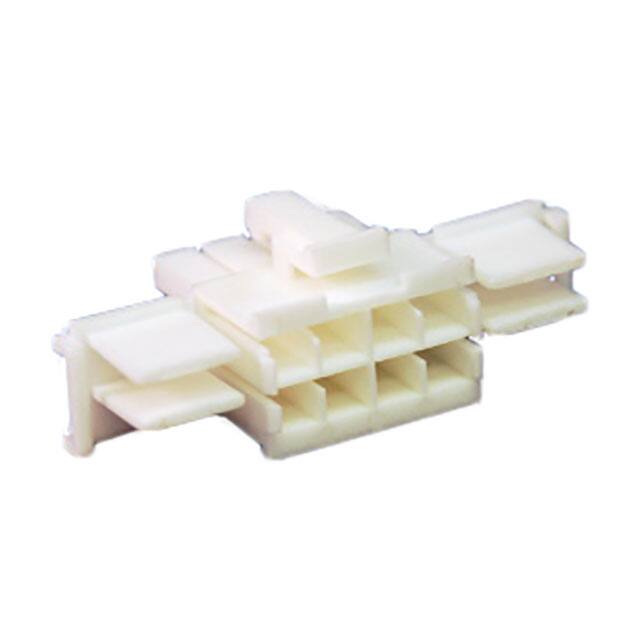
In manufacturing and automation, you depend on rectangular connectors to streamline operations and ensure efficiency. These connectors support high-density connections, making them ideal for complex machinery and automated systems. Their robust design withstands vibrations, extreme temperatures, and other harsh conditions commonly found in industrial environments. You can use them to connect sensors, actuators, and control systems, enabling seamless communication between components.
Rectangular connectors also simplify the production process. Their modular nature allows you to configure connections based on specific needs, reducing assembly time and improving flexibility. Whether you are working with robotics, conveyor systems, or assembly lines, these connectors provide reliable performance that enhances productivity. Their anti-interference capabilities ensure accurate signal transmission, which is critical for maintaining precision in automated tasks.
Aerospace and Defense
In aerospace and defense, you require connectors that deliver exceptional reliability and durability. Rectangular connectors meet these demands by offering secure connections in environments where failure is not an option. Their ability to handle high power, signal, and data transmissions in a single connection point makes them indispensable in aircraft systems, satellites, and military equipment.
These connectors excel in adapting to extreme conditions, such as high altitudes, intense vibrations, and rapid temperature changes. You can rely on their rugged construction to maintain performance under these challenges. Additionally, their compact design optimizes space, which is crucial in aerospace applications where every inch matters. By choosing rectangular connectors, you ensure the safety and efficiency of critical systems in demanding scenarios.
Transportation and Heavy Machinery
In transportation and heavy machinery, you need connectors that can endure tough environments while maintaining functionality. Rectangular connectors provide the durability and versatility required for vehicles, trains, and construction equipment. Their ability to accommodate multiple connections within a compact space makes them suitable for integrating power, signal, and data systems.
You will find these connectors in applications such as engine control units, braking systems, and lighting systems. Their resistance to dust, moisture, and vibrations ensures consistent performance, even in rugged conditions. The ease of installation and maintenance further benefits you by reducing downtime and simplifying repairs. With rectangular connectors, you can enhance the reliability and efficiency of transportation and heavy machinery systems.
Medical Equipment
Rectangular connectors play a critical role in the medical field, where precision and reliability are paramount. You rely on these connectors to ensure seamless connections in life-saving devices and diagnostic equipment. Their ability to integrate power, signal, and data transmission within a single connection point makes them indispensable in medical applications.
In medical imaging systems like MRI and CT scanners, rectangular connectors provide high-density connections that support complex electronic assemblies. Their compact design optimizes space, allowing you to incorporate advanced functionalities without compromising the device's size or efficiency. These connectors also excel in maintaining signal integrity, ensuring accurate data transmission for precise diagnostics.
Durability is another key advantage. Rectangular connectors withstand harsh conditions, such as sterilization processes and exposure to chemicals. Their robust construction ensures consistent performance, even in demanding environments. You can trust them to deliver reliable connections in critical devices like ventilators, patient monitors, and surgical equipment.
Ease of maintenance further enhances their value in medical settings. Modular designs allow you to replace components quickly, minimizing downtime during repairs or upgrades. This feature ensures that essential medical devices remain operational, supporting uninterrupted patient care.
By choosing rectangular connectors, you gain a solution that combines reliability, precision, and adaptability. These qualities make them an essential component in advancing medical technology and improving healthcare outcomes.
Types of Rectangular Connectors
Overview of Connector Types
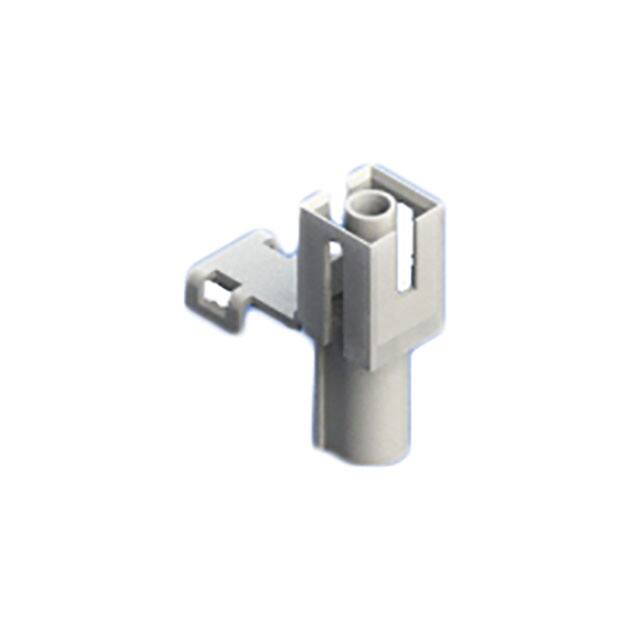
Rectangular connectors come in a variety of types, each designed to meet specific application needs. You will find these connectors categorized based on their functionality, design, and intended use. Understanding these types helps you select the right connector for your industrial requirements.
Standard Rectangular Connectors: These are the most common type, used for general-purpose applications. They provide reliable connections for power, signal, and data transmission. Their straightforward design makes them easy to install and maintain.
Heavy-Duty Rectangular Connectors: Designed for demanding environments, these connectors offer enhanced durability. You can rely on them for applications involving high vibrations, extreme temperatures, or exposure to dust and moisture. Their robust construction ensures long-lasting performance.
Hermetic Rectangular Connectors: These connectors are sealed to prevent the ingress of air, dust, or moisture. You will find them ideal for aerospace, military, and medical applications where environmental protection is critical.
Modular Rectangular Connectors: These connectors allow you to customize configurations based on your specific needs. You can combine different modules for power, signal, and data within a single connector, offering flexibility and efficiency.
High-Density Rectangular Connectors: These connectors are designed to accommodate a large number of connections within a compact space. They are perfect for applications requiring multiple circuits, such as telecommunications and IT systems.
By choosing the appropriate type, you ensure optimal performance and compatibility for your application. As the experts at Northern Connectors explain, "Rectangular connectors are designed to work seamlessly in various environments, providing tailored solutions for your needs."
Materials and Configurations
The materials and configurations of rectangular connectors play a crucial role in their performance and durability. You should consider these factors carefully when selecting a connector for your application.
Materials:
Plastic Housings: Lightweight and cost-effective, plastic housings are suitable for applications where weight is a concern. They also provide good insulation properties.
Metal Housings: For enhanced durability, metal housings are the preferred choice. They offer excellent resistance to corrosion, impact, and environmental factors.
Contact Materials: Contacts are typically made from copper alloys and plated with gold or tin. Gold plating ensures superior conductivity and resistance to corrosion, while tin plating provides a more economical option.
Configurations:
Fixed vs. Modular: Fixed configurations are pre-designed for specific applications, while modular configurations allow you to customize the connector based on your requirements.
Number of Contacts: You can choose connectors with varying numbers of contacts, depending on the complexity of your system. High-density configurations are available for applications requiring multiple connections.
Sealing Options: For harsh environments, connectors with sealing elements, such as gaskets or O-rings, provide protection against dust, moisture, and other contaminants.
Selecting the right combination of materials and configurations ensures that your rectangular connectors meet the demands of your application. By understanding these options, you can make informed decisions that enhance the reliability and efficiency of your systems.
How to Choose the Right Rectangular Connector
Selecting the right rectangular connector ensures optimal performance and reliability for your application. By focusing on key factors and compatibility tips, you can make an informed decision that meets your specific needs.
Factors to Consider
When choosing a rectangular connector, you should evaluate several critical factors to ensure it aligns with your requirements:
Application Requirements
Determine the purpose of the connector. Will it transmit power, signals, or data? For high-density connections, prioritize connectors designed to handle multiple circuits within a compact space. Industrial automation or medical equipment often demands connectors with high reliability and precision.Environmental Conditions
Assess the environment where the connector will operate. For harsh conditions, such as extreme temperatures, vibrations, or exposure to moisture, select connectors with robust housings made from materials like die-cast metal or corrosion-resistant alloys. Hermetic connectors provide additional protection against dust and water ingress.Connection Density
If your application involves limited space, opt for connectors with high panel density. These connectors maximize the number of connections within a confined area, making them ideal for complex electronic assemblies.Material Selection
Choose materials based on durability and conductivity needs. Plastic housings offer lightweight and cost-effective solutions, while metal housings provide superior strength and resistance to environmental factors. For contacts, gold plating ensures excellent conductivity and corrosion resistance, while tin plating offers an economical alternative.Ease of Installation and Maintenance
Look for connectors with user-friendly designs. Features like double latches or modular configurations simplify installation and allow for quick replacements during maintenance. This reduces downtime and ensures seamless operation.Standards and Certifications
Verify that the connector meets industry standards and certifications relevant to your application. For aerospace or medical equipment, compliance with stringent regulations ensures safety and reliability.
Tips for Ensuring Compatibility and Performance
To achieve the best results, follow these tips when selecting and using rectangular connectors:
Match Connector Types
Ensure the connector type matches your system's requirements. For example, heavy-duty connectors work well in rugged environments, while high-density connectors suit applications with limited space.Check Pin Configurations
Verify the number of pins and their arrangement. This ensures compatibility with your devices and prevents mismatched connections.Consider Modularity
Modular connectors allow you to customize configurations for power, signal, and data transmission. This flexibility enhances adaptability and efficiency in complex systems.Test for Fit and Functionality
Before finalizing your choice, test the connector in your application. Confirm that it fits securely and performs as expected under operational conditions.Consult Experts
If you are unsure about the right connector, seek advice from industry professionals. They can guide you in selecting a connector that meets your technical and environmental needs.
By considering these factors and following these tips, you can confidently choose rectangular connectors that deliver reliable and efficient performance across various applications.
Rectangular Connectors are essential for ensuring reliable and efficient connections in industrial applications. By evaluating your specific needs, you can select connectors that align with your operational demands. Consulting industry experts helps you make informed decisions, ensuring compatibility and performance. Prioritize durability, versatility, and ease of use when choosing connectors. These factors enhance productivity and ensure long-term reliability. Whether you work in manufacturing, aerospace, or medical fields, the right connector supports your success by delivering consistent and robust performance.
See Also
Exploring Modular Connectors: Reliability And Industrial Uses
Understanding Circular Connectors: Key Features For Selection
Best Three Hydraulic Hose Crimpers For Various Applications