Which Battery Terminal Connector Fits Your Needs?

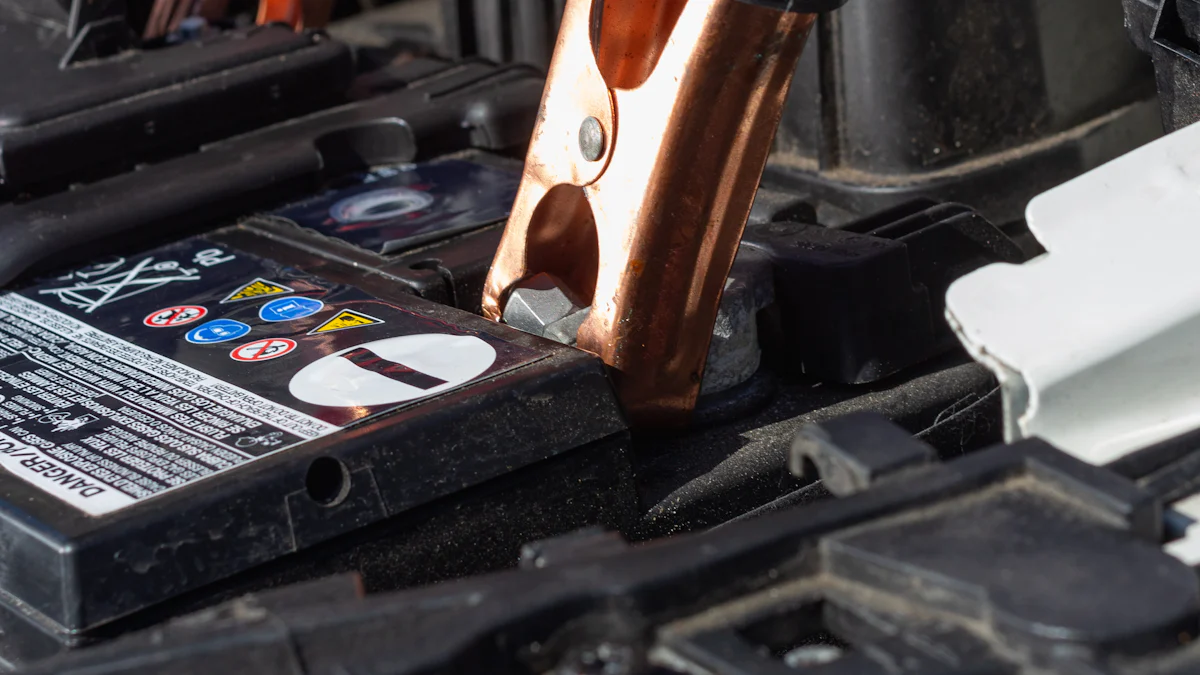
Choosing the right battery terminal connectors is crucial for ensuring optimal performance and longevity of your vehicle or equipment. The wrong choice can lead to issues like difficulty starting, flickering headlights, or even strange smells due to corrosion or loose connections. When selecting a connector, consider the type of vehicle or equipment you have, the environment it operates in, and its specific application. For instance, commercial vehicles often face harsh conditions, such as exposure to corrosive salts in winter, which can accelerate terminal damage. By understanding these factors, you can make an informed decision that meets your needs.
Understanding Battery Terminal Connectors
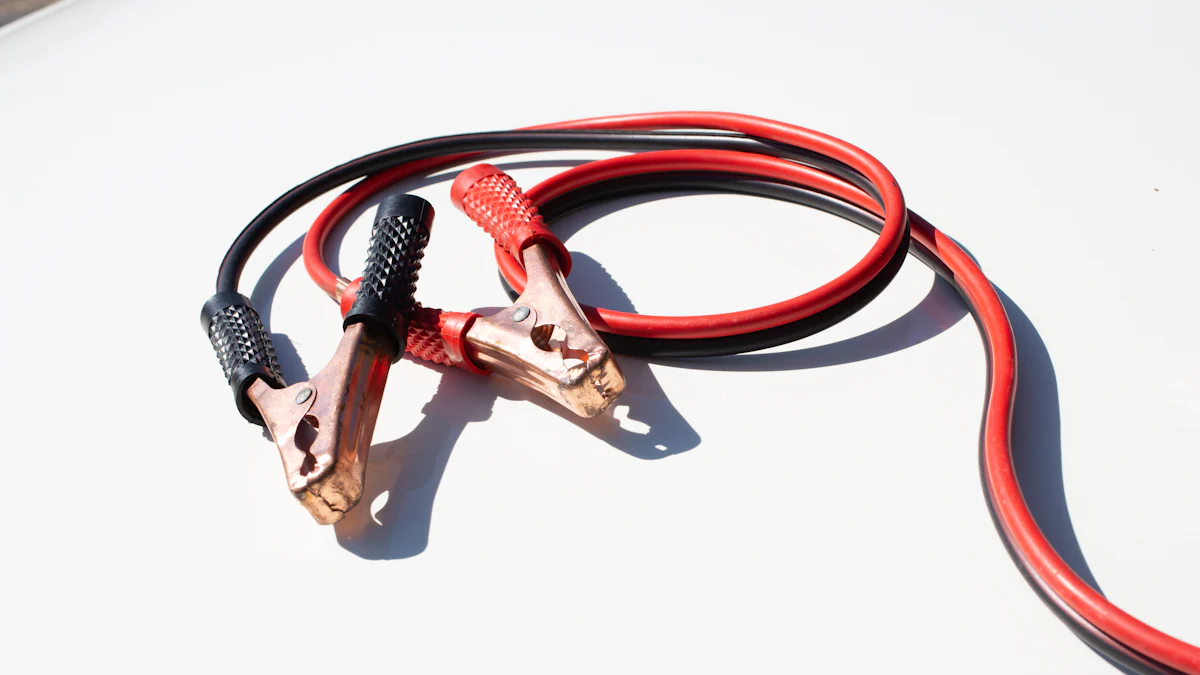
Battery terminal connectors play a crucial role in ensuring the efficient operation of your vehicle or equipment. Understanding the different types of connectors can help you make an informed choice that suits your specific needs.
Post Terminal Connectors
Description and Typical Use Case
Post terminal connectors, often referred to as SAE terminals, are among the most common types used in automotive applications. These connectors feature a cylindrical post that allows for a secure connection with battery cables. You will find them in most cars and light trucks, providing a reliable link between the battery and the vehicle's electrical system.
Common Applications in Automotive
In the automotive world, post terminal connectors are the standard choice for connecting batteries. They offer a straightforward installation process, making them ideal for everyday vehicles. Their design ensures a stable connection, reducing the risk of power loss or electrical issues.
Clamp Terminal Connectors
Description and Typical Use Case
Clamp terminal connectors are designed to clamp onto the battery post, providing a secure and easy-to-install connection. These connectors are particularly useful when you need to frequently disconnect and reconnect the battery, such as in maintenance or repair scenarios.
Common Applications in Automotive
Automotive applications often use clamp terminal connectors due to their ease of use. They are popular in situations where quick battery changes are necessary, such as in racing or off-road vehicles. The clamping mechanism ensures a tight fit, minimizing the risk of loose connections.
Ring Terminal Connectors
Description and Typical Use Case
Ring terminals are known for their reliability and are characterized by a ring-shaped connector that is secured with a nut or bolt. This design makes them ideal for applications requiring a high level of current, such as in automotive and industrial settings.
Specific Wiring Configurations
Ring terminal connectors are versatile and can accommodate various wiring configurations. They are often used in situations where a permanent and secure connection is needed. By crimping the ring onto the wire, you ensure a robust connection that withstands vibrations and other environmental factors.
Flag Terminal Connectors
Flag terminal connectors offer a unique design that sets them apart from other battery terminal connectors. These connectors feature a flat, flag-like shape, which allows for a low-profile connection. This design proves particularly useful in situations where space is limited, such as in compact engine compartments or tight electrical enclosures. You will find flag terminal connectors in various applications, including automotive and industrial settings, where their compact form factor provides an advantage.
Description and Typical Use Case
Flag terminal connectors excel in environments where space constraints demand a more streamlined connection. Their flat design enables you to connect wires at a right angle to the battery post, which can be crucial in avoiding interference with other components. This makes them ideal for use in vehicles with limited under-hood space or in equipment where a traditional post or clamp connector might not fit. The ease of installation and removal also adds to their appeal, especially in maintenance-heavy applications.
Specific Wiring Configurations
When it comes to wiring configurations, flag terminal connectors offer flexibility. You can use them in various setups, accommodating different wire gauges and types. Their design allows for secure connections that resist loosening due to vibrations or movement, which is essential in automotive and industrial environments. By choosing flag terminal connectors, you ensure that your wiring remains organized and efficient, reducing the risk of electrical issues.
Special Features to Consider
When selecting battery terminal connectors, you should consider special features that can significantly impact their performance and longevity. These features ensure that your connectors meet the demands of your specific environment and application.
Corrosion Resistance
Importance in Different Environments
Corrosion resistance plays a vital role in the durability of battery terminal connectors. In environments with high humidity or exposure to salt, such as coastal areas or regions with snowy winters, corrosion can quickly degrade connectors. This degradation leads to poor conductivity and potential failure. By choosing corrosion-resistant connectors, you ensure reliable performance even in harsh conditions.
Materials and Coatings
The materials and coatings used in battery terminal connectors determine their resistance to corrosion. High-quality connectors often use copper or tin-plated materials, which offer excellent conductivity and durability. For instance, ring terminals are known for their reliability and often feature corrosion-resistant properties. These materials provide a robust connection that withstands environmental challenges, ensuring your vehicle or equipment operates smoothly.
Design Variations
Impact on Installation and Performance
Design variations in battery terminal connectors can affect both installation and performance. Some connectors, like clamp terminal connectors, offer ease of installation, making them ideal for situations where frequent disconnection is necessary. Others, such as insulated flag terminals, provide a low-profile design that fits into tight spaces. The choice of design impacts how easily you can install the connector and how well it performs under different conditions.
Compatibility with Different Battery Types
Compatibility with various battery types is another crucial consideration. Different batteries may require specific terminal designs to ensure a secure connection. For example, auto battery terminal connectors need to match the battery posts in vehicles to prevent power loss. By selecting connectors compatible with your battery type, you ensure optimal performance and reduce the risk of electrical issues.
In summary, when choosing battery terminal connectors, consider corrosion resistance and design variations. These features help you select connectors that not only fit your needs but also enhance the reliability and efficiency of your vehicle or equipment.
In summary, choosing the right battery terminal connectors is essential for ensuring your vehicle or equipment operates efficiently. Consider factors like corrosion resistance and design variations to match your specific needs. To help you decide:
Identify Your Needs: Determine the environment and application for your battery terminal connectors.
Evaluate Connector Types: Match the connector type with your vehicle or equipment requirements.
Consider Corrosion Resistance: Opt for connectors with superior corrosion protection to extend their lifespan.
By following these practical tips, you can select the best battery terminal connectors for your situation, ensuring reliability and performance.
See Also
Optimal Wire Connector Selection Guide for Your Needs
Varieties of RF Connectors Explained
In-Depth Analysis of Cable and Connector Varieties