Wire Splice Connectors: Ensuring Safe and Strong Connections

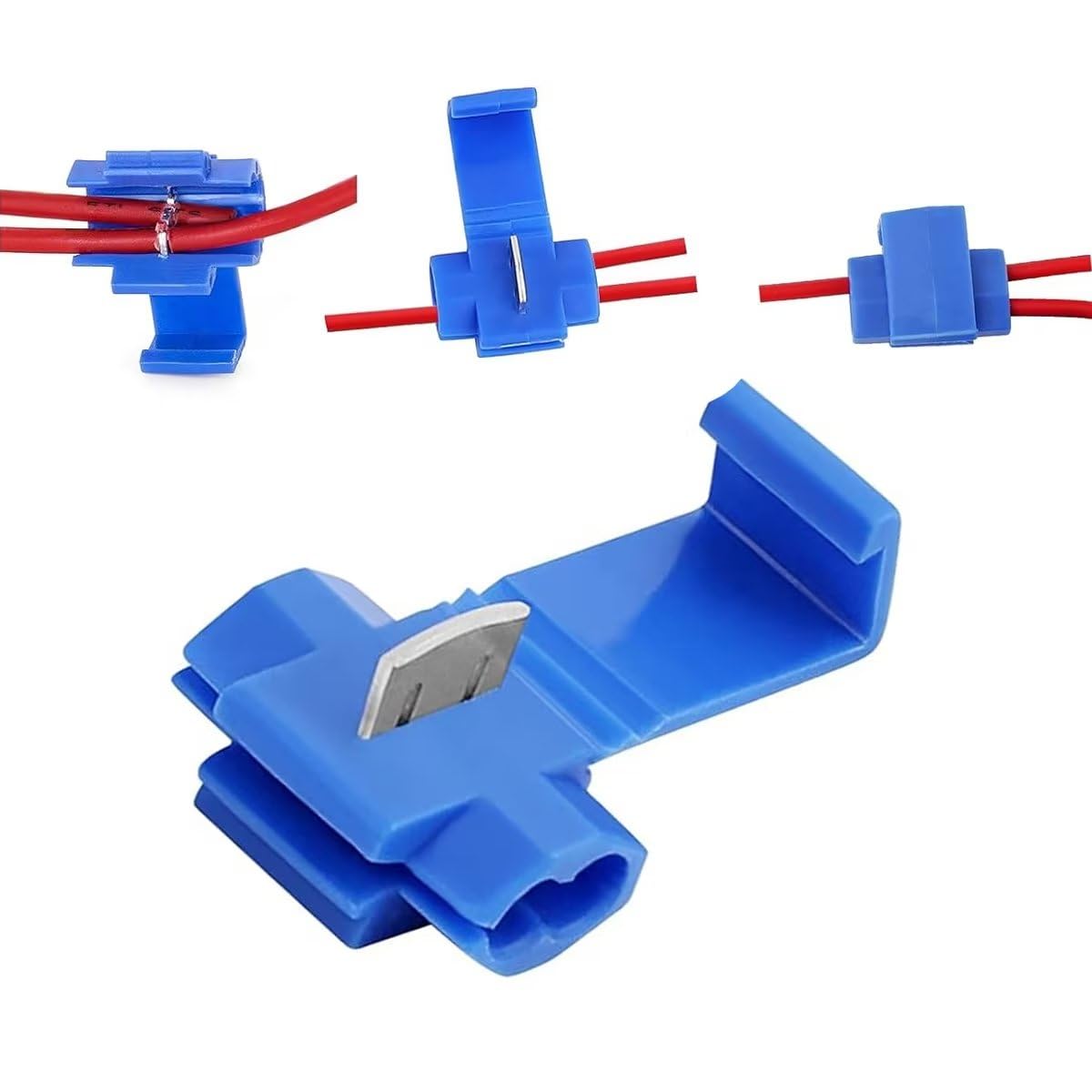
Wire splice connectors are essential for ensuring safe and reliable electrical connections. When you use wire splice connectors effectively, you protect your home or workplace from potential hazards like short circuits or electrical fires. A wire splice connector securely joins two or more wires, maintaining electrical conductivity and preventing dangerous situations. Understanding how to split a wire and the different types of splices wire is crucial for anyone involved in electrical work. By mastering these techniques, you ensure that all connections are strong and capable of handling their load without failure.
Tools and Materials Needed for Splicing Electrical Wire
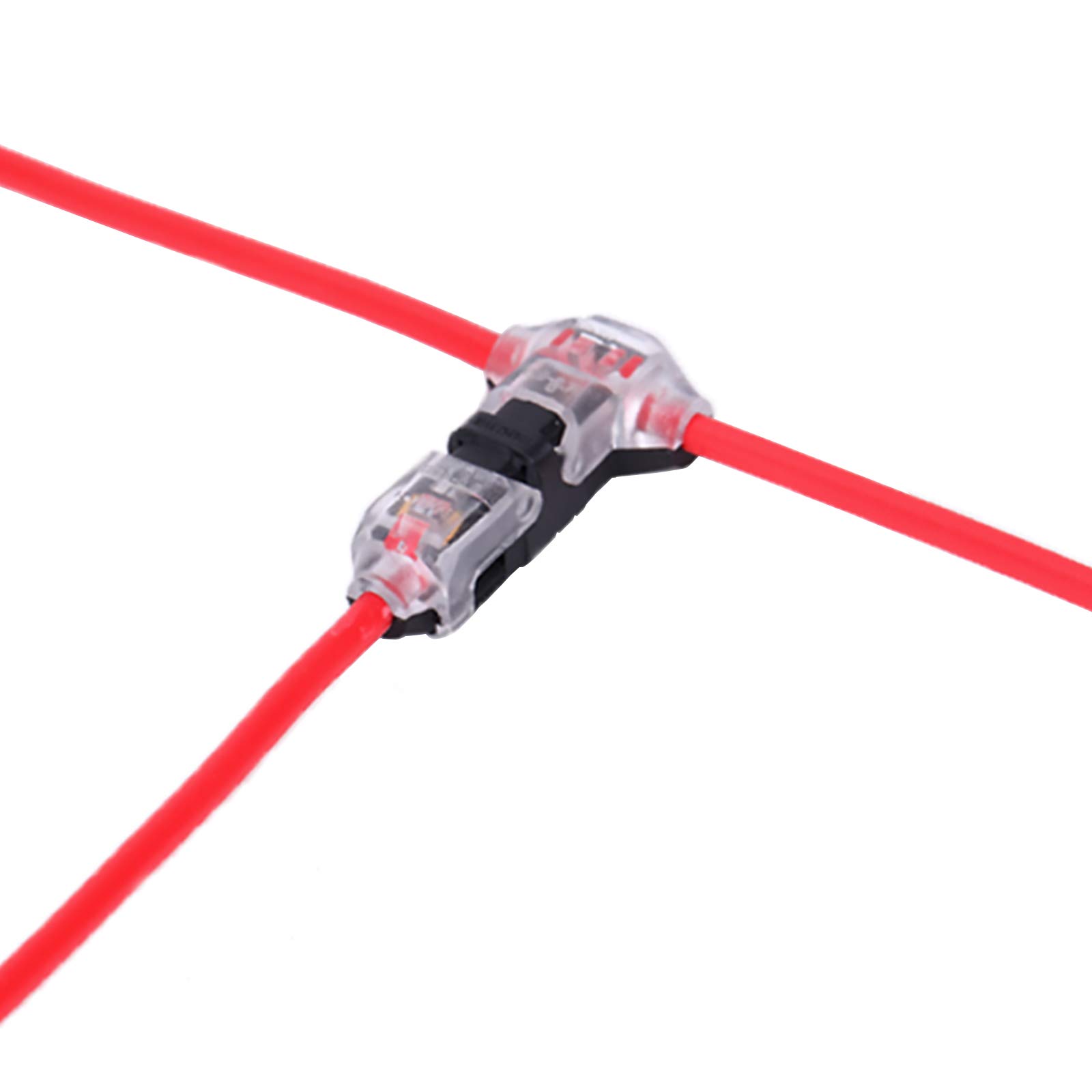
When you're ready to tackle wire splicing, having the right tools and materials is crucial. Let's dive into what you'll need to ensure your electrical connections are both safe and effective.
Essential Tools
Wire Strippers
Wire strippers are a must-have in your toolkit. They help you remove the insulation from the ends of wires without damaging the wire itself. Choose a wire stripper that matches the gauge of the wires you're working with. This ensures clean and precise stripping, which is essential for a good connection.
Crimping Tools
A crimping tool is vital for securing wire splice connectors. Proper crimping techniques are necessary to ensure a strong and reliable connection. When you use a crimping tool, make sure it fits the connector type you're using. This will help you achieve a secure crimp every time.
Screwdrivers
Screwdrivers come in handy when you're dealing with twist-on connectors or push-in connectors. They help you tighten or loosen screws, ensuring that your connections are secure. Keep a set of screwdrivers in various sizes to accommodate different types of connectors.
Necessary Materials
Wire Splice Connectors
Wire splice connectors are the heart of any splicing job. They join two or more wires together, maintaining a continuous electrical path. Whether you're using twist-on wire connectors or push-in wire connectors, make sure they're approved electrical connectors to guarantee safety and reliability.
Electrical Tape
Electrical tape is essential for insulating and protecting your connections. After you've made a splice, wrap the connection with electrical tape to prevent exposure to moisture and other environmental factors. This step is crucial for maintaining the integrity of your electrical connections.
Heat Shrink Tubing
Heat shrink tubing provides an extra layer of protection for your splices. When heated, it shrinks to form a tight seal around the wire, keeping out moisture and debris. This makes it perfect for creating waterproof connectors, especially in outdoor or damp environments. Always have some heat shrink tubing on hand for added security.
By equipping yourself with these tools and materials, you'll be well-prepared to handle any wire splice project. Remember, using the right equipment not only makes the job easier but also ensures that your connections are safe and durable.
Step-by-Step Guide to Creating a Wire Splice
Creating a wire splice is a fundamental skill in electrical work. This guide will walk you through the process, ensuring your connections are both safe and reliable.
Preparing the Wires
Before you start splicing electrical wire, you need to prepare the wires properly. This step is crucial for maintaining the integrity of your electrical connections.
Stripping the Insulation
First, grab your wire strippers. Carefully strip the insulation from the ends of the wires. Make sure you expose enough wire to make a solid connection, but not so much that the bare wire is exposed unnecessarily. Stripping electrical wires correctly ensures that the wire splice connector can grip the wire securely.
Twisting the Wires Together
Once you've stripped the wires, twist them together. This step is essential for creating a strong bond between the wires. Twisting the wires helps maintain a continuous electrical path, which is vital for a secure connection.
Applying the Connector
With the wires prepared, it's time to apply the connector. This step involves inserting the wires into the connector and securing them.
Inserting Wires into the Connector
Choose the right connector for your project. For most applications, butt splice connectors are ideal. Insert the twisted wires into the connector. Ensure they go in straight and reach the end of the connector. This ensures a good electrical connection.
Securing the Connection
Use a crimping tool to secure the connection. Place the connector in the tool and squeeze firmly. This action locks the wires in place, creating a secure wire splice. For push-in connectors, simply push the wires into the connector until they click into place.
Finalizing the Connection
After securing the wires, you need to finalize the connection. This involves inspecting and insulating the splice.
Inspecting the Connection
Check the connection to ensure it's secure. Gently tug on the wires to make sure they don't come loose. A secure connection is crucial for preventing electrical failures.
Applying Insulation
Finally, apply insulation to protect the splice. Use electrical tape or heat shrink tubing. Applying heat shrink tubing provides an extra layer of protection, making the connection more durable and resistant to moisture. This step is especially important if you're creating waterproof connectors for outdoor use.
By following these steps, you'll master the art of wire splicing. Remember, using the right tools and techniques ensures your electrical connections are safe and long-lasting.
Safety Precautions When Using Wire Splice Connectors
When working with wire splice connectors, safety should always be your top priority. By following these precautions, you can ensure that your electrical connections are both safe and reliable.
Personal Safety Measures
Wearing Protective Gear
Before you start any wire splicing project, make sure you're wearing the right protective gear. This includes safety goggles to protect your eyes from flying debris and gloves to shield your hands from sharp wires or electrical shocks. Wearing the right gear not only keeps you safe but also gives you the confidence to work efficiently.
Ensuring Power is Off
Always double-check that the power is off before you begin working on any electrical circuit. Use a voltage tester to confirm that there's no electricity flowing through the wires. This simple step can prevent serious injuries and ensure a safe working environment.
Electrical Safety Tips
Avoiding Overloading Circuits
When you splice electrical circuit wires, it's crucial to avoid overloading the circuits. Overloading can lead to overheating and potentially cause electrical fires. Make sure you understand the load capacity of your circuit and never exceed it. This will help maintain a secure connection and ensure the longevity of your electrical system.
Checking for Secure Connections
After completing a wire splice, always check for a secure connection. Gently tug on the wires to ensure they are firmly held in place. A loose connection can lead to electrical failures or even short circuits. Using push-in connectors or twist-on wire connectors can help achieve a more reliable connection.
Expert Testimony:
Industry Experts emphasize the importance of proper splicing techniques to maintain electrical conductivity and prevent short circuits. They recommend following the manufacturer's instructions for applying the splice to ensure safety and reliability.
For added protection, consider weatherproofing a wire splice by using heat shrink tubing or waterproof connectors. These materials provide an extra layer of insulation, keeping moisture and debris out. This is especially important when using waterproof connectors in outdoor or damp environments.
By adhering to these safety precautions, you can confidently tackle any wire splicing project. Remember, taking the time to ensure safety not only protects you but also enhances the durability and reliability of your electrical connections.
Troubleshooting Common Issues with Butt Splice Connectors
When working with butt splice connectors, you might encounter a few hiccups. But don't worry! Understanding these common issues can help you fix them quickly and keep your electrical connections strong and reliable.
Identifying Poor Connections
Sometimes, you might notice that your connections aren't as solid as they should be. Let's look at how to spot these issues and what you can do about them.
Signs of a Bad Connection
A bad connection can cause all sorts of problems, from flickering lights to complete power loss. You might notice that the wires feel loose or that there's visible damage to the connector. If you see any discoloration or corrosion, that's a red flag too. These signs indicate that the connection isn't secure, which can lead to bigger issues down the line.
How to Fix Loose Wires
If you find loose wires, don't panic. First, make sure you're using the right size butt splice for your wires. Compatibility is key here. If the wires are too small for the connector, they won't hold properly. Re-strip the wire ends if necessary, and twist them together tightly before reinserting them into the connector. Use your crimping tool to secure the connection firmly. Give the wires a gentle tug to ensure they're locked in place.
Dealing with Connector Failures
Sometimes, the connectors themselves can fail. Recognizing and addressing these failures promptly can save you a lot of headaches.
Recognizing Connector Damage
Inspect your connectors regularly. Look for cracks, breaks, or any signs of wear and tear. If the connector feels brittle or doesn't hold the wires securely, it might be time for a replacement. Damaged connectors can't provide the reliable connection you need, so it's important to catch these issues early.
Replacing Faulty Connectors
Replacing a faulty connector is straightforward. First, remove the damaged connector by cutting it off the wire. Strip the wire ends again, ensuring you have enough exposed wire for a good connection. Choose a new butt splice connector that matches the wire size and type. Insert the wires into the new connector and use your crimping tool to secure them. This simple replacement can restore the integrity of your electrical system.
Pro Tip: For added protection, consider weatherproofing a wire splice. Use heat shrink tubing or waterproof connectors to keep moisture and debris out, especially in outdoor settings.
By keeping an eye out for these common issues with butt splices and knowing how to address them, you can maintain strong and safe electrical connections. Remember, a little troubleshooting goes a long way in ensuring the longevity and reliability of your wire splicing projects.
Using wire splice connectors correctly is crucial for maintaining safe and reliable electrical connections. By following safety guidelines and troubleshooting effectively, you ensure that your electrical systems operate smoothly and efficiently. Mastering wire splice connector techniques not only enhances your technical skills but also contributes to a sustainable and secure electrical setup. Remember, attention to detail in wire splicing can prevent short circuits and ensure the longevity of your connections. So, take the time to learn and apply these techniques, and you'll enjoy the benefits of a well-executed splice.
See Also
A Complete Tutorial on Butt Splice Wire Connectors
Finding the Perfect Wire Connector for Your Needs
An In-Depth Look at Cable and Connector Varieties
Discovering ZH23 Series Connectors: Efficient Electrical Solutions